7 minutes
NYC backpacking for noobs
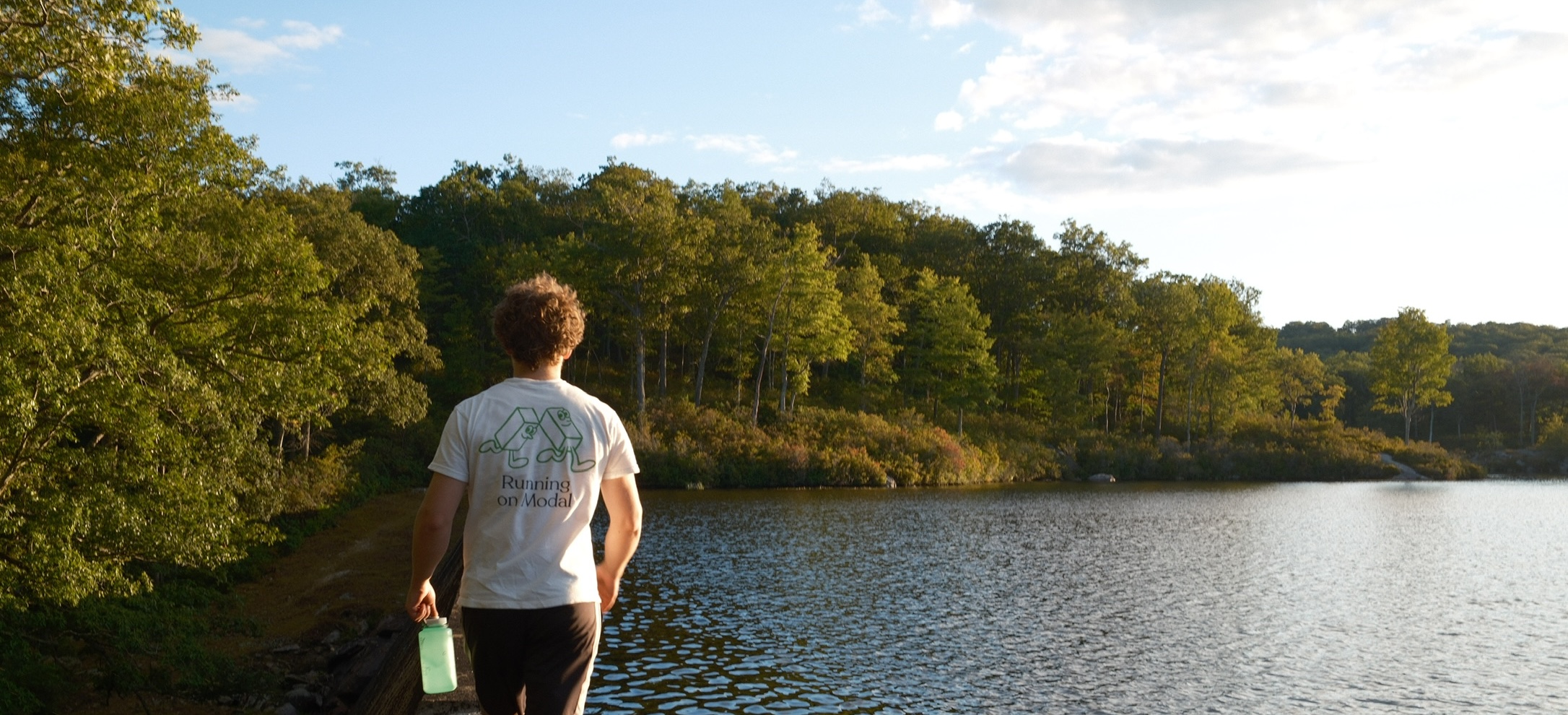
I love living in the city, but my heart yearns for nature. When I first moved to the city, I got my fix by making it out to Beacon or Cold Spring, but I got tired of doing the same manicured hike for the fifth time. Backpacking has brought back my love of being in unfiltered nature - unfortunately, guides on how to do it are few and far between!
I’m writing this guide in hopes to demystify backpacking out of NYC for car-less beginner backpackers like me.
Where to go
Without a car, you’re bound by the limits of public transportation. Luckily, the subway and adjacent commuter rail have great access to nature. The spots mentioned here have bespoke shelters as well - in both parks, it is illegal to camp outside designated shelters or campsites.
Appalachian Trail via Metro-North
From Grand Central station, you can take the Metro-North up to the Appalachian Trail Metro-North station. This stop is only serviced on the weekends and holidays - on weekdays, go to Pawling and walk or Uber up to the trail.
As the name suggests, this drops you directly onto the Appalachian Trail. From here, the closest shelter is Telephone Pioneers Shelter. This shelter has both a lean-to and some space to camp. Go a few miles past the shelter and you’ll find Nuclear Lake, a beautiful spot to stop and pull some water using your water filter. This is especially useful since the creek near Telephone Pioneers is frequently dry.
On your way back, I’d highly recommend walking down to Pawling! It’s a cute town in which to grab coffee or food after a long weekend.
Harriman State Park via NJ Transit
Harriman is my personal favorite due to its wide range of trails and shelters. From the train-accessible entrance, there are many forks to take. You can have a new experience every time!
To get to Harriman, take a train from Penn Station to Secaucus Junction and another to the Tuxedo stop. The Tuxedo line runs every day but at irregular times - make sure to plan ahead on the NJ Transit app so you know when to head out and back.
Once in the park, start your trek to one of the many shelters. Download the Harriman Trail Map PDF on your phone or use AllTrails to find your way around. Note that on holidays, the main Harriman shelter areas can get quite crowded. If you have a car, this is a good opportunity to start your hike at places less accessible by train.
Gear
Backpacking gear chat is centered around one thing: weight. You’ll be carrying your pack the whole way, so even slight differences in weight matter. This is what the Ultralight movement aims to optimize for - we even have our own r/nycultralight!
Backpacking gear can get expensive, so it makes sense to simultaneously optimize for cost. The upshot is that the gear is quite durable and will last you for years, but the downside is the initial cost is quite high. Once you have a good setup though, you can take trip after trip for just the cost of food and transportation!
Backpack
Most backpacking packs sit in the 55-65 liter range - this balances holding enough stuff while staying light. When getting a pack, the most important thing to check is the fit. A good backpack will have waist and chest straps with a hard backplate - this allows it to sit on your back, evenly distributing weight along your back. A good fit is extremely important, so unless you’re experienced, start at someplace like REI where you can feel out different bags.
Tent
Your tent is frequently the largest item in your backpack, so it’s important to get one that’s right for you! There are many cheap ($50) tents on Amazon, but buy at your own risk - standard camping tents are bulkier and heavier than backpacking tents. They can get you started but will slow you down on longer hauls. I’m currently using this one, and it’s absolutely painful to backpack with; it takes up more than half of my backpack alone. Upgrade coming soon.
There are websites that can give better tent reviews than me, but you’re mostly optimizing for sleeping area size vs. packed size/weight. I like a two-person tent even for myself so I can lounge out. If you’re looking to go as light as possible, some popular tents forego any inbuilt supports and use your trekking poles instead.
Sleeping
You can use a standard sleeping bag for backpacking. I have the REI TrailBreak 30, and I’m super happy with it! Advanced users can venture into the world of quilts, but that’s above my paygrade.
To give yourself some cushion at night, you’ll need some sleeping pad. The main options are:
- Air inflatable: These require some work to inflate and are prone to accident since popping the mattress is game over. However, they pack the smallest and are the most comfortable! These are my personal favorite - I use this cheap one.
- Self-inflating pads: These provide some cushion and autoinflation via foam, but they also seal in the air to provide a more comfortable surface. They’re quite comfortable but come at a price. The nice ones are very expensive and the cheap ones lose their ability to inflate after being stored for too long.
- Closed-cell foam: This is what a lot of legit backpackers go with. It’s impossible to pop and hence deflate, and it can double as a seat cushion. It’s also probably the least comfortable. Side sleepers beware!
If you’ll be camping in the cold, pay attention to the R value of your sleeping pad. This describes how much insulation your pad will give you from the ground. Remember that you can always increase the R value of your setup by adding a closed-cell foam pad underneath your existing pad.
Misc
Some important but smaller items:
- Water filter: allows you to cut down on your total weight by avoiding packing water. The straws attach to standard water bottles and are very easy to work with.
- Toilet paper & trowel: nuff said
- Bear bags: absolutely critical for hiking in bear country (most of the American Northeast)
- Regular plastic bags: you’ll never regret another bag or two for trash or general organization.
- Flashlight/battery pack: The night is scary without a flashlight, and your phone may die quickly. I’m happy with this one off Amazon
- First aid kit: Some band-aids or bandage kit are great in a pinch
Eating
For your first trip, it’s easiest to pack cold food to avoid having to buy a stove. You can cold soak or go with some trail classics like pasta salad, trail mix, tuna salad, or sandwiches. I always bring some sardines and crackers for quick and filling snacks.
That said, a camping stove and pot are a huge upgrade - they make the cold more bearable, and they allow you to cut down on your total weight. I have the Soto Windmaster and the MSR Titan 900. The windmaster and a fuel canister fit inside the Titan, so my whole stove setup only takes the space of my pot.
The easiest (and quite tasty) foods to cook are the pre-packaged camping meals. These can get pricey and are high in sodium, so to mix things up, you could try:
- Rice and lentils with tinned fish over the stove - my personal favorite
- Any instant microwave meal like mashed potatoes
- Dehydrated meals from the internet. Renee and Tim have some great stuff.
- Anything else you can dream up :)
Some final advice
Before closing out, in no particular order:
- Check weather and temperature before heading out. For me, the optimal times are fall and spring when the weather is 50-75°F.
- Tell friends you’re leaving and when you’ll be back so they know to be suspicious if you don’t make it back.
- If your iPhone does not have satellite SOS capabilities, consider buying an SOS beacon.
- Remember that you’re a guest in nature. Practice Leave No Trace so we can keep backpacking for years to come.
Now go have some fun in nature with your friends!
0 kudos
1365 Words
2025-12-24 00:00 +0000